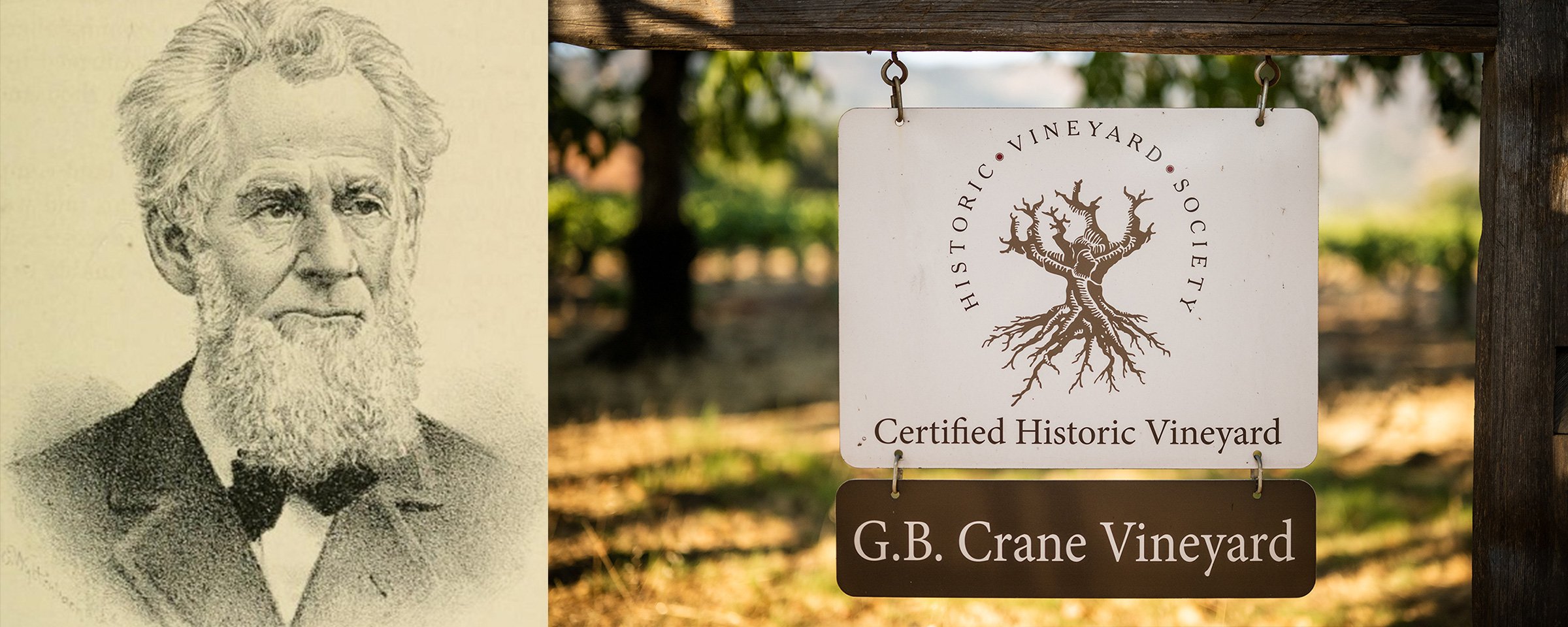
The story begins in the early 1850s, when Dr. George Belden Crane set sail around South America before arriving in San Francisco in 1853. After four years in the Santa Clara Valley, he moved to the city of Napa and ultimately settled in St. Helena in 1859, where he purchased more than 300 acres.
This was where Crane’s vision inched closer to reality. It was said that growing grapes of any kind in this region would be a ludicrous effort, however, Crane’s determination would soon tell otherwise.
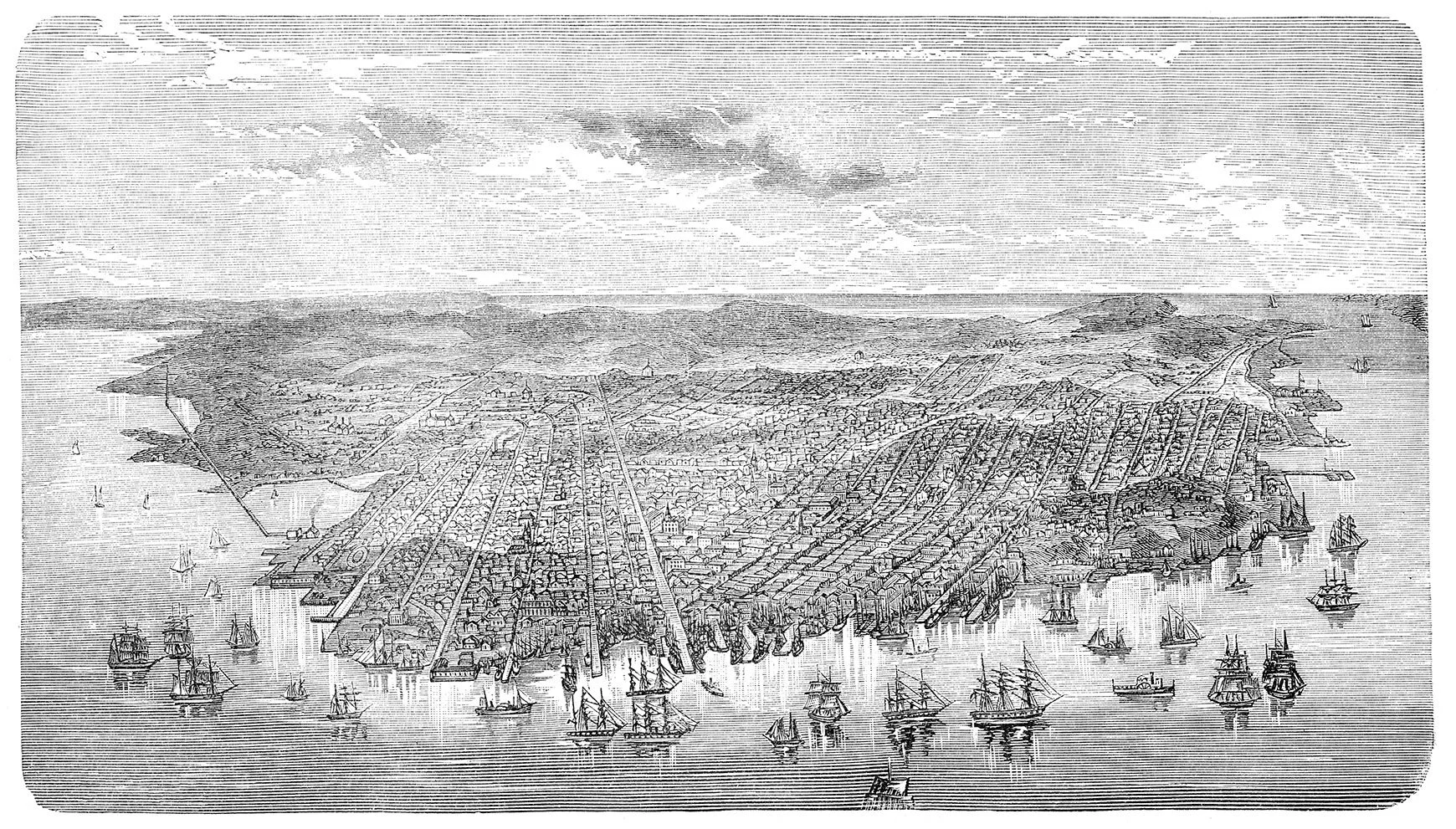
Nestled in the alluvial fan of the Mayacamas Mountains in southern St. Helena, this is where Crane first established vines in 1859, with the ambition to produce wines that could rival the best in the world. He began by introducing Napa Valley to Vitis vinifera, European grape varieties.
While records are limited, the original plantings were most likely a field blend commonly referred to as “mixed blacks,” typically including Zinfandel, Petite Sirah, Carignan, and smaller amounts of varieties such as Alicante Bouschet, Mourvèdre, and Valdiguié.
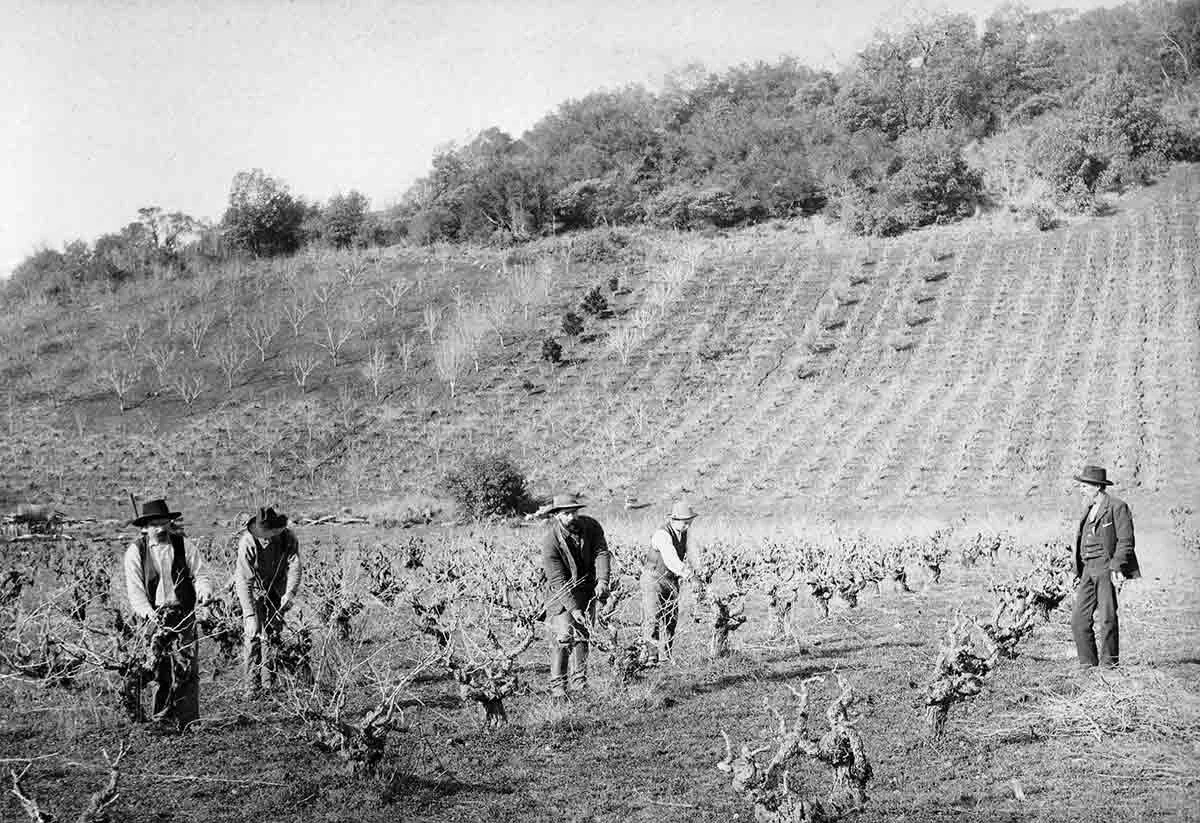
Today, of the 6.5 acres under vine at the G.B. Crane Vineyard, 1.3 acres are planted to Cabernet Sauvignon, 0.9 acres to Petite Sirah, with two rows of Merlot and approximately four acres dedicated to the historic “mixed blacks,” including plantings dating to 1885, after phylloxera, and later additions from the 1930s.
This four-acre block has been continuously farmed for more than 165 years by a succession of stewards. Today, we are proud to carry that responsibility forward.